
Rebecca’s Story of Living with Narcolepsy and Sleep Apnea
“I was trying to [manage nutrition and exercise], but again, doing that while managing my sleep, and working, and living my life, it was all so much. It felt unattainable.” – Rebecca


“I was trying to [manage nutrition and exercise], but again, doing that while managing my sleep, and working, and living my life, it was all so much. It felt unattainable.” – Rebecca
“I knew I was in my bed, but I was receiving some messages without sensing or hearing them – like telepathy. I had visions without seeing anything and heard messages without sound.” – Brenda
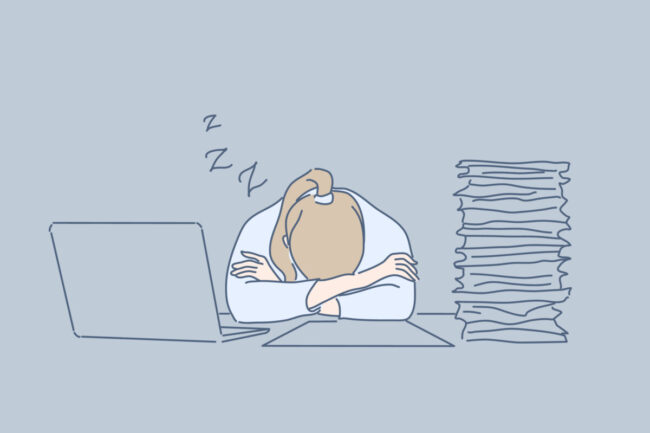
“I wanted to bring this to their attention to protect other students with chronic health conditions from harmful attitudes. Instead, they made me feel like I was being oversensitive and dramatic.” – Sarah

“Like all good men in their 40s and 50s, [the attitude is], ‘well that’s nice to know… but it’s not causing me too many problems. I’ll buy it, but I won’t use it’.” – Reg
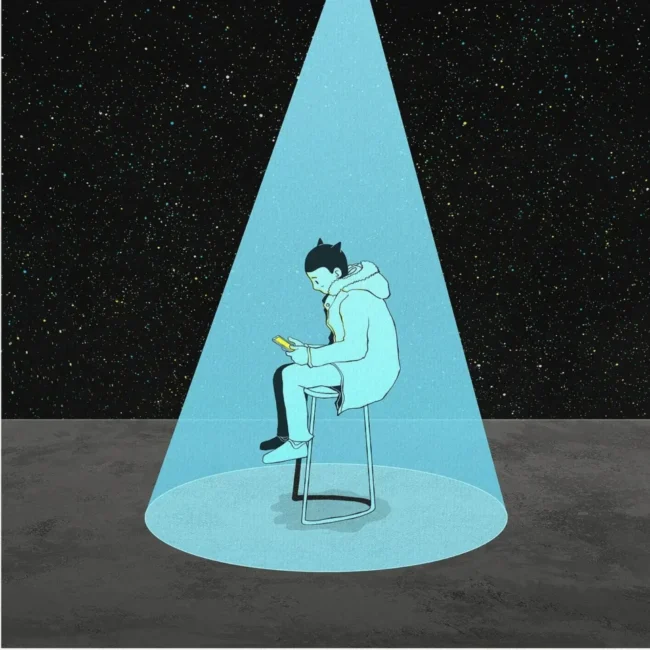
Reducing isolation starts with naming the condition. One of the goals of our group is to say: ‘you are not alone’ – Guillaume
“La réduction de l’isolement commence en nommant le syndrome. L’un des objectifs de notre groupe est de dire : ‘vous n’êtes pas seul’” – Guillaume
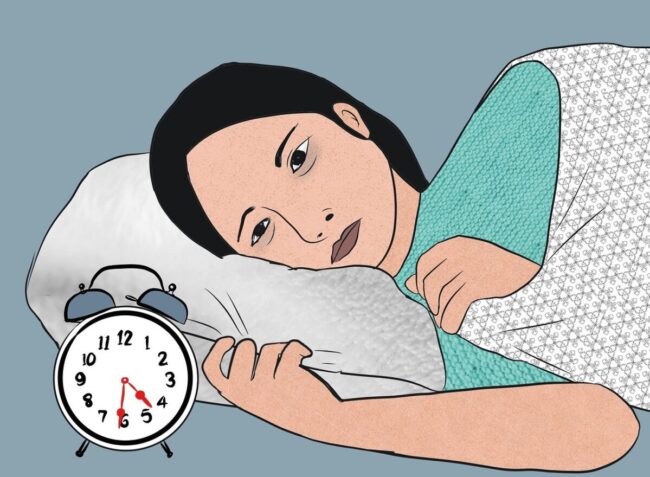
“The lack of sleep significantly affects my vitality, my concentration and my memory.” – Marie, A 54-year-old woman in postmenopause
“Le manque de sommeil affecte significativement ma vitalité, ma concentration et ma mémoire.” – Marie, une femme de 54 ans en postménopause

“I would wake up hot, hot, hot! I would take the sheets off and then fall back to sleep and then wake up three seconds later and put the sheets back on.” -Mary
« Je me réveillais et j’avais chaud, chaud, chaud! Je tassais les couvertures et je me rendormais, puis je me réveillais à nouveau trois secondes plus tard et je remettais les couvertures. » – Mary